


- Increased Automation: AI will automate tasks that are repetitive, routine, and data-driven across industries such as manufacturing, logistics, and customer service. Jobs in areas like data entry, cashiering, and basic customer support will be replaced by AI tools and robotics, allowing workers to focus on higher-value tasks.
- New Job Creation: While some jobs will disappear, many new roles will emerge, particularly in fields like AI development, machine learning, robotics, and AI ethics. There will also be growing demand for professionals who can oversee AI systems, train them, and ensure they function ethically and responsibly. Examples include AI trainers, machine learning engineers, and data scientists.
- Human-AI Collaboration: AI won’t just replace jobs; it will enhance them. In sectors like healthcare, law, and finance, AI will assist professionals by automating time-consuming tasks like data analysis and predictive modeling, enabling humans to focus on critical decision-making, client relationships, and creative problem-solving. For example, AI may assist doctors in diagnosing diseases or financial advisors in analyzing market trends, but human judgment will remain essential for personalized care and strategic decision-making.
- Remote Work Transformation: AI-powered tools will streamline remote work by improving collaboration, project management, and communication across geographically dispersed teams. AI assistants will handle scheduling, emails, and document management, enabling remote workers to focus more on creative and strategic tasks. This will help businesses enhance productivity and maintain global collaboration without being limited by time zones or location.
- Skills Shift: Upskilling & Reskilling: To thrive in an AI-driven world, workers will need to embrace continuous learning. While technical skills in AI, data science, and software development will be in high demand, soft skills like critical thinking, emotional intelligence, and creativity will also be crucial. Many companies and educational institutions will prioritize reskilling programs to help workers adapt to new technologies, especially in industries where automation will be most prevalent.
- Displacement of Low-Skill Jobs: Jobs in areas like retail, transportation, and basic administration will face the greatest disruption from AI. Automated checkout systems, self-driving vehicles, and AI-driven customer service platforms will reduce the need for human workers in these roles. However, displaced workers can shift into new opportunities by reskilling for roles in AI management, tech support, or human-centered positions like customer relations, marketing, and sales strategy.
- AI’s Impact on Creative Industries: AI tools will enhance creativity by assisting with content generation, design optimization, and pattern recognition. For example, AI will help artists create digital works, generate music, or automate aspects of graphic design. However, human creativity, emotional resonance, and strategic direction will remain irreplaceable, making collaboration between human and machine essential for innovation in fields like art, media, and entertainment.
- Policy and Regulation: Governments will play a vital role in shaping the future of work by ensuring that AI deployment is done ethically and responsibly. This could involve creating regulations around AI usage, developing universal basic income programs to support displaced workers, and encouraging reskilling initiatives. Additionally, AI ethics experts will be in high demand to monitor biases in AI decision-making and protect privacy rights.
Career advice
How Will Artificial Intelligence Affect Jobs 2025
Ready for your next job?
Search openings from employers across India and apply in minutes.
Career advice
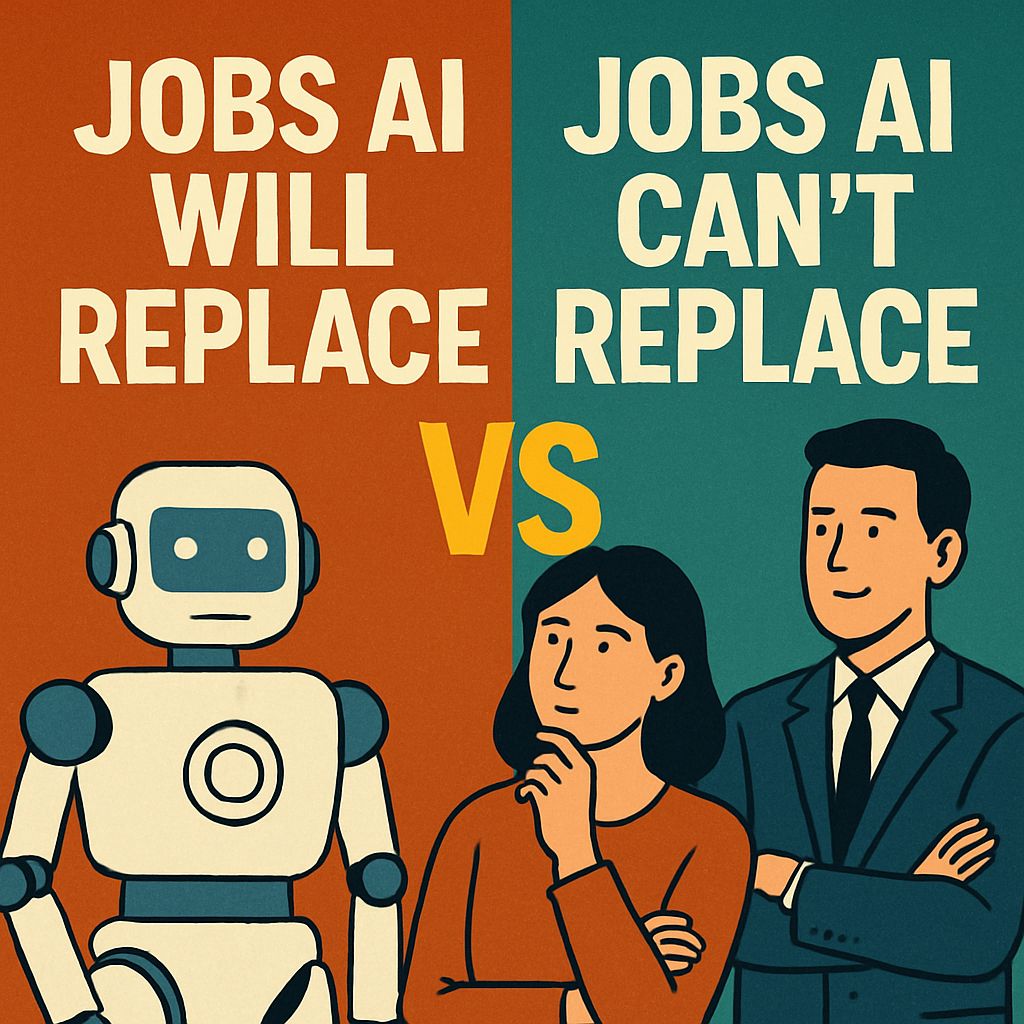
Jobs AI Will Replace vs Jobs It Can’t: The Reality Behind the Hype
In an era where artificial intelligence (AI) is rapidly evolving, the conversation surrounding its impact on the job market has become increasingly relevant. This blog explores the dichotomy of jobs that AI is poised to replace versus those it cannot, shedding light on the reality behind the…
Career advice
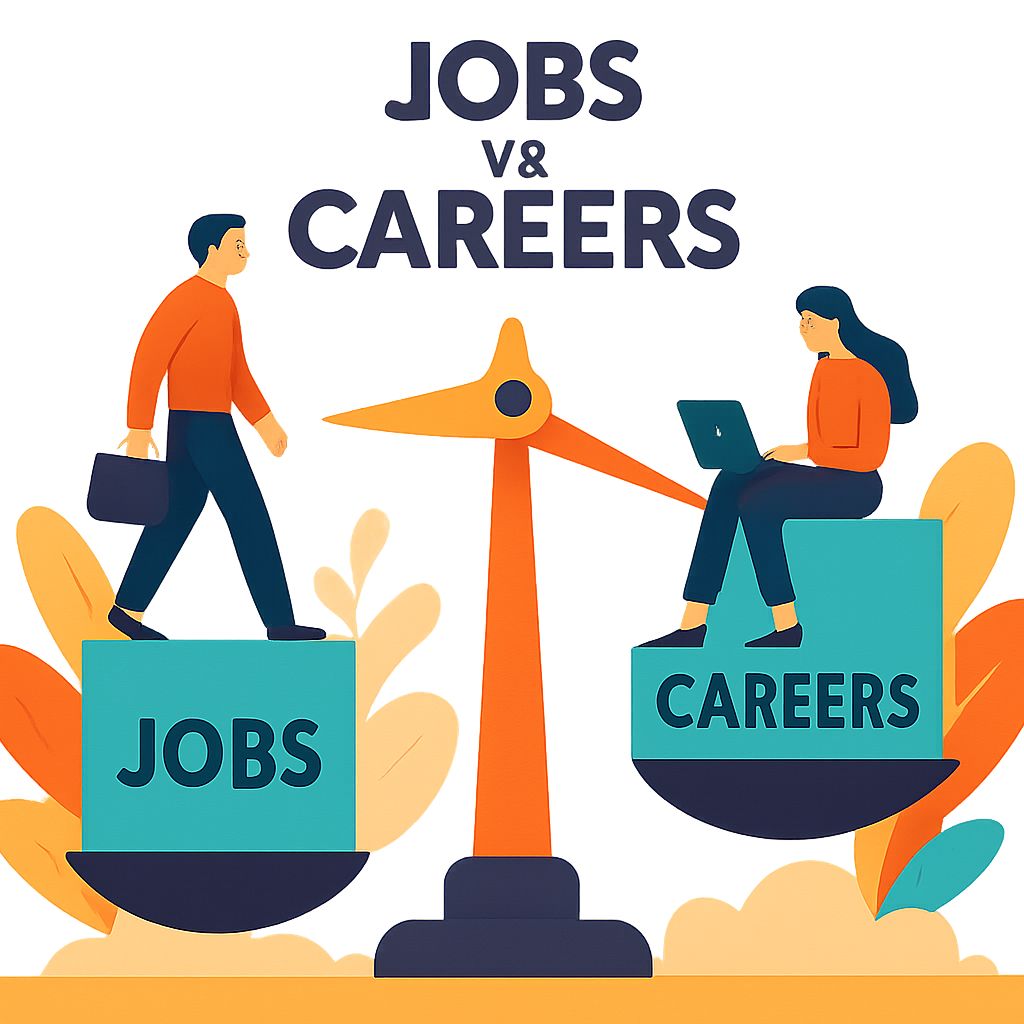
Jobs vs Careers: Know the Difference to Build a Meaningful Future
A job is a short-term role focused on earning money, while a career is a long-term pursuit aligned with your skills, interests, and goals. Jobs earn — careers build.

Career advice
Find Your First Job with Confidence
Looking for “jobs near me for freshers”? You’re not alone. Starting your career can feel overwhelming — but the good news is: plenty of companies are hiring fresh talent, and the right job might be just around the corner (literally).