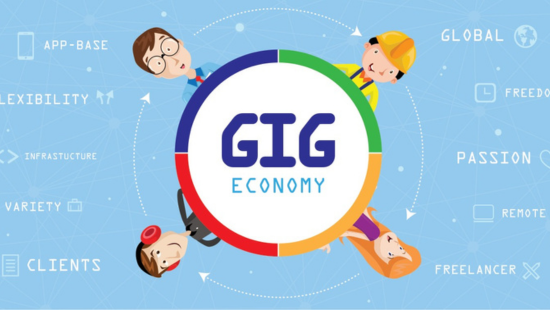
The gig economy is transforming the workplace, and businesses must adapt their hiring, talent management, and organizational strategies.
1. Skills-Based Hiring
Companies will increasingly prioritize specific skills over traditional qualifications. Instead of hiring based on experience, businesses will look for freelancers and contractors with proven expertise in particular areas. This shift allows for faster hiring and more tailored talent acquisition for project-based needs.
2. Freelancer and Contractor Workforce
Organizations will rely more on freelancers and contractors for flexibility. These workers allow businesses to scale up or down quickly based on project demands, reducing long-term labor costs. It creates opportunities to hire specialized talent without the commitment of full-time roles.
3. Access to a Global Talent Pool
The gig economy breaks geographic boundaries, offering access to global talent. Companies can now hire the best freelancers worldwide, accessing diverse skills at competitive rates. Managing this workforce requires effective digital tools to ensure smooth collaboration across time zones.
4. Performance-Based Hiring
Hiring will shift from focusing on time spent to evaluating outcomes. Companies will prioritize results, hiring workers based on their ability to deliver specific project goals or KPIs. This move promotes a focus on productivity, efficiency, and tangible results.
5. New Approaches to Benefits and Compensation
With many gig workers lacking traditional benefits, companies will explore alternative models. Portable benefits like health insurance and retirement savings may become more common. Businesses will partner with providers to offer gig workers benefits that follow them across projects.
6. Long-Term Freelancer Relationships
Instead of hiring gig workers on a one-off basis, companies will develop long-term relationships with top freelancers. Building a network of reliable, repeat contractors will ensure quick access to talent for future projects, helping to reduce recruitment time and cost.
7. Technology to Streamline Talent Management
Digital platforms will become essential for managing gig workers. From hiring to performance tracking and payment, companies will rely on tools that simplify administrative tasks. This technology will make managing a distributed workforce more efficient and less time-consuming.
8. Navigating Legal and Compliance Issues
With gig workers come new legal challenges around classification and compensation. Companies must stay updated on labor laws to avoid misclassifying workers or failing to comply with tax regulations. Legal counsel may be needed to navigate these complexities and protect both workers and the company.
9. Attracting and Retaining Talent
To attract top gig talent, companies will offer flexible work arrangements and competitive pay. Freelancers seek autonomy and opportunities for growth, so businesses will need to create a supportive work environment. Offering career development and engagement will help retain top freelancers for long-term collaborations.
10. Adapting Organizational Culture
As gig workers become a larger part of the workforce, businesses must adapt their culture. This includes fostering inclusion for freelancers, ensuring they feel connected to the team. Digital collaboration tools and virtual team-building activities will be key to maintaining engagement.